
- New

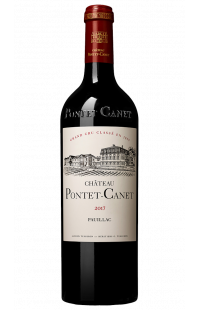
Château Pontet Canet 2017 |
|
|

G de Galoupet 2025, Château Galoupet |
|
|
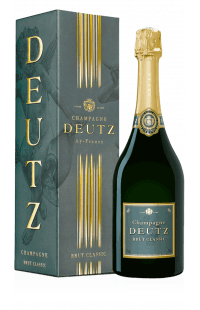
Deutz : Brut Classic |

Domaine des Creisses - Les Creisses 2024 |
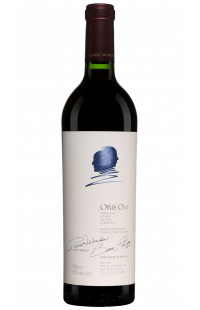
Opus One 2019 |

Eminente : Rhum Reserva Exclusiva 14 Years |

Klein Constantia Vin de Constance 2023 is one of the world's great historic sweet wines. Produced on the slopes of Constantiaberg near Cape Town, South Africa, exclusively from Muscat de Frontignan, it continues the legacy of the legendary Constantia wines sought after by European courts from the eighteenth century onwards. The 2023 combines remarkable concentration with exceptional freshness, achieving richness without heaviness.
Colour: bright, intense gold.
Nose: concentrated and complex, led by ripe apricot, lime zest and citrus marmalade. Fig, quince and pineapple are joined by butterscotch, pastry, nutmeg and exotic spice, with a subtle vanilla character from oak maturation.
Palate: broad, deep and silky, with flavours of apricot, fig preserve and quince. Its richness is immediately balanced by vibrant acidity, bringing tension and definition. Exotic spice and beautifully integrated oak lead into an exceptionally long, fresh and controlled finish.
Vin de Constance 2023 is made exclusively from Muscat de Frontignan grown on Klein Constantia's historic slopes. Proximity to the ocean and cooling winds allow the grapes to ripen gradually while retaining acidity. The vineyards are harvested through multiple passes to select berries at different levels of ripeness and concentration, an essential part of the wine's complexity.
The 2023 season was marked by wet conditions in Constantia and an unusually significant presence of botrytis on approximately 10% of the fruit, the highest proportion since 1997. This gives the wine a slightly more exotic dimension and additional depth. With 162 g/L residual sugar, the 2023 is slightly less sweet than some preceding vintages, enhancing freshness and clarity of fruit.
The different Muscat selections are vinified separately, with most lots receiving approximately two weeks of skin contact before pressing. Following fermentation, the wine spends around 18 months in 500-litre barrels, 50% new, followed by a further 16 months in large oak casks. The maturation programme includes French and Hungarian oak, adding texture and spice without overwhelming the fruit.
Vin de Constance 2023 has received exceptional reviews, including 100/100 from Jane Anson, 99/100 from James Suckling and 97/100 from Tim Atkin MW. Critics particularly highlight its concentration, balance between richness and acidity, and exceptionally persistent finish.
Serve Vin de Constance 2023 at around 12-14°C with foie gras, apricot tart, citrus or exotic-fruit desserts, blue cheese, or simply on its own at the end of a meal. Its concentration, acidity and residual sugar give it the structure to develop for several decades in the cellar.
The defining quality of the 2023 is its remarkable balance: 162 g/L of residual sugar is matched by enough acidity and freshness to make the wine feel energetic rather than heavy. The unusually high proportion of botrytised fruit adds another layer of aromatic complexity. Spectacular already, this is above all a bottle we would be inclined to cellar and follow over several decades.
Most
Reviews
Choose my packaging and quantities
Delivery Starting Novembre 2026
All our wines come directly from the producer and are stored in our cellars.
Product Details
Klein Constantia : Vin de Constance 2023
Country:
South Africa
Producer:
Klein Constantia Winery
Vintage:
2023
Varietals:
100% Muscat de Frontignan
Dress:
golden yellow colour
Bouquet:
aromas of first white flowers, ripe citrus fruits, pale rose water and almonds
Palate:
ideal balance between stone fruits, lychee, citrus peels and creamy spicy flavours
Alcoholic Volume:
13%
In cellar:
Up to 10 years
Tasting profile:
Sweet wine
Food & Wine:
Roquefort and all your desserts
Serving:
Open and taste !
Temperature:
10°C-12°C
The sweet wines of Constantia became famous throughout Europe during the seventeenth and eighteenth centuries and were sought after by royal courts and prominent historical figures. Napoleon Bonaparte famously drank Constantia wine during his exile on St Helena. After the historic wine disappeared during the nineteenth century, Klein Constantia began reviving it in the 1980s using Muscat de Frontignan grown on the historic Constantia terroir.
No. Vin de Constance relies primarily on natural concentration of Muscat de Frontignan grapes on the vine and selective harvesting, rather than noble rot as the foundation of its style. The 2023 is unusual, however, as approximately 10% of the fruit was affected by botrytis – the highest proportion since 1997 – contributing to its more exotic character.
Both rank among the world's great sweet wines, but they are made very differently. Vin de Constance is a South African wine made entirely from Muscat de Frontignan, with concentration primarily achieved through extended ripening and selective harvesting. Château d’Yquem is a Sauternes made from Sémillon and Sauvignon Blanc, with noble rot playing a fundamental role. Vin de Constance therefore tends towards a more distinctly Muscat-driven, floral and exotic expression.
No. Despite its richness and long history, Vin de Constance is not fortified: no spirit is added to stop fermentation. Its balance comes from naturally concentrated grapes, residual sugar, acidity and the alcohol produced naturally during fermentation.
The 50cl format is particularly well suited to a sweet wine of this concentration and provides several smaller servings over the course of a meal. The distinctive bottle has also become part of the modern identity of Vin de Constance. A serving of approximately 6 to 8cl per person is generally sufficient to appreciate its richness.
For a very long time. Its combination of high residual sugar, vibrant acidity and extended maturation gives Vin de Constance exceptional ageing ability. Tim Atkin gives the 2023 a drinking window of 2027-2040, but the history of the wine and the longevity of mature vintages suggest that well-stored bottles should be capable of developing considerably beyond that period.

Klein Constantia : Vin de Constance 2023
Available in
- Bottle with box (50cl)
- Magnum (1,5l)
- 226.80€ / magnum