


- New

|
|


G de Galoupet 2025, Château Galoupet |
|
|

Deutz : Brut Classic |
|
|

Eminente : Rhum Reserva 7 Years |

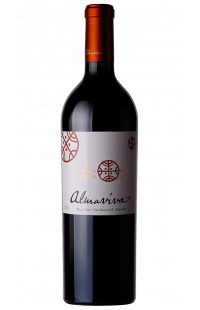
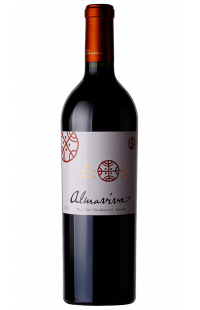
Almaviva 2024 is one of Chile's benchmark fine wines, born from the partnership between Baron Philippe de Rothschild and Viña Concha y Toro. Produced in Puente Alto in the Maipo Valley, Almaviva brings the Bordeaux concept of a Grand Vin to Chile while expressing a distinctly Chilean identity, notably through the important role of Carmenère. The 2024 vintage stands out for its remarkable combination of depth, freshness and tannic finesse.
Colour: deep, intense and almost opaque ruby red.
Nose: precise and complex, led by blackcurrant, blackberry and dark fruit, followed by incense, cedar, forest floor and soft spices. Tobacco, sage, sweet red pepper and graphite emerge with air.
Palate: broad and deep, yet beautifully balanced by freshness. Round, finely polished tannins create a velvety texture, while dark fruit, spice and graphite lead into an exceptionally long, focused and persistent finish.
Almaviva 2024 is composed of 70% Cabernet Sauvignon, 24% Carmenère, 4% Cabernet Franc and 2% Petit Verdot. The wine is produced in Puente Alto, at the foot of the Andes, one of Chile's most highly regarded terroirs for Cabernet Sauvignon. Poor, free-draining alluvial soils and significant day-to-night temperature variation help combine ripeness with freshness and fine tannins.
After several years of drought, the 2024 growing season benefited from significantly higher winter and spring rainfall, replenishing water reserves. A cool spring delayed vine development before warmer summer conditions encouraged steady ripening. The result is a generous yet balanced vintage in which ripe fruit retains impressive energy and definition.
Almaviva 2024 was matured for 18 months in French oak, 76% new. This ambitious maturation is integral to the Grand Vin's style: cedar, spice and subtle smoky nuances complement the concentration of the fruit without obscuring the freshness and mineral character associated with Puente Alto.
Almaviva 2024 received 98/100 from Wine Advocate, James Suckling and Jane Anson, together with 97/100 from Vinous. Wine Advocate regards the 2024 as one of the most complete and refined expressions of Almaviva to date.
Serve Almaviva 2024 at around 16-18°C with rib of beef, rack of lamb, game or slow-roasted meat. When young, allow around two hours of aeration. Its concentration and tannic structure provide excellent ageing potential, with published critic drinking windows extending well into the 2040s.
The 2024 is particularly compelling for the way it combines Almaviva's characteristic richness with remarkable tannic finesse and tension. The higher proportion of Carmenère compared with 2023 also reinforces its distinctly Chilean personality. Impressive already, this is a wine we would nevertheless favour cellaring for several years.
Most
Reviews
Choose my packaging and quantities
Delivery starting December 2026
All our wines come directly from the producer and are stored in our cellars.
Product Details
Viña Almaviva : Almaviva 2024
Country:
Chili
Area:
Central Valley
Appellation:
Puente Alto
Producer:
Almaviva
Vintage:
2024
Varietals:
70% Cabernet Sauvignon, 24% Carménère, 4% Cabernet Franc, 2% Petit Verdot
Dress:
red
Bouquet:
fruity
Palate:
exceptional balance, a pulpy texture, lively acidity
Alcoholic Volume:
14,5%
In cellar:
Up to 10 years
Tasting profile:
Balanced
Food & Wine:
Red meat (Beef, Lamb...)
Serving:
Decant 2 hours before tasting
Temperature:
15°C
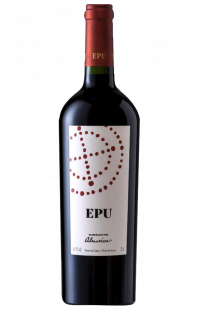
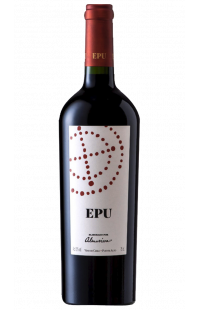
Almaviva is the estate's Grand Vin, while EPU is its second wine. In 2024, Almaviva contains 70% Cabernet Sauvignon and 24% Carmenère and spends 18 months in oak, with 76% new French oak. EPU contains 80% Cabernet Sauvignon and spends 12 months in oak with only 10% new barrels. EPU therefore emphasises fruit and earlier accessibility, while Almaviva is built for greater depth, complexity and longevity.
The blend changed significantly: Cabernet Sauvignon decreased from 74% in 2023 to 70% in 2024, while Carmenère increased from 19% to 24%. Maturation was also reduced from 20 to 18 months. The 2024 retains Almaviva's depth but stands out for its energy, fine tannins and more prominent Carmenère character.
Almaviva and Seña are two of Chile's leading Bordeaux-inspired wines, but they come from different terroirs. Almaviva is produced in Puente Alto in the Maipo Valley, while Seña comes from the Aconcagua Valley. Almaviva generally places greater emphasis on Cabernet structure and Puente Alto's mineral character, whereas Seña offers a particularly fresh and complex interpretation of a multi-varietal blend.
Choose Almaviva 2024 if you are looking for greater depth and structure, a strong Cabernet Sauvignon identity and ambitious French-oak maturation. Choose Seña 2024 if you prefer tension, freshness and a more restrained oak influence. Both rank among Chile's finest wines, but they offer distinctly different expressions.
At 24% of the blend, compared with 19% in 2023, Carmenère plays a particularly important role in this vintage. It complements Cabernet Sauvignon with spicy, balsamic and refined herbal nuances and helps give Almaviva a distinctly Chilean identity rather than simply reproducing a Bordeaux-style blend outside Bordeaux.
Its polished tannins make it possible to experience young after extended aeration, but its concentration and structure clearly reward cellaring. James Suckling recommends drinking it after 2027, while Vinous gives a drinking window extending to 2049. We would favour several years in the cellar before approaching the wine at its full complexity.

Viña Almaviva : Almaviva 2024
Available in
- Bottle (75cl)
- 106.80€ / bottle