No products available yet
Stay tuned! More products will be shown here as they are added.
|
|
|
|
Stay tuned! More products will be shown here as they are added.
Discover Bourgogne Blanc wines, their terroir, regional nuances, and renowned estates like Rémi Jobard, Pierre Boisson, and Anne Boisson.
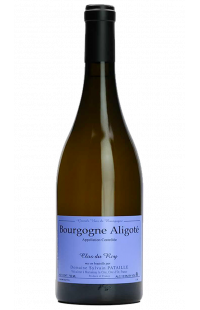
Bourgogne Blanc is a dry white wine produced in the Burgundy vineyard, specifically in the regions of Chablis, the Côtes, Chalonnaise, Nuits, Beaune, and Mâcon. Its vineyard boasts a terroir of clay-limestone soil and a temperate-oceanic and semi-continental climate. Made from Chardonnay, the sensations it offers vary depending on the bottle.
Bourgogne Blanc is a prestigious appellation rooted in a world-renowned wine region. The first traces of viticulture in Burgundy date back to Roman times, but it was during the Middle Ages that Cistercian and Benedictine monks truly structured the vineyard. These religious figures selected the best terroirs and developed cultivation and winemaking techniques that gave birth to the exceptional wines we know today.
The Burgundian terroir is characterized by a complex and varied geology. The region is divided into several sub-regions, each possessing unique characteristics that influence the quality and aromatic profile of the wines produced.
The soils of Burgundy are primarily composed of clay and limestone. This composition allows for good water retention while ensuring adequate drainage, which is essential for the vine. Clay-limestone soils provide the wines with distinctive minerality and elegant structure.
Burgundy benefits from a temperate-oceanic climate with semi-continental influences. Summers are generally warm and dry, while winters can be cold and harsh. These climatic conditions favor a slow and gradual maturation of the grapes, allowing for the development of complex aromas and balanced acidity.
Each sub-region of Bourgogne Blanc brings its unique touch to the wines produced. Let's explore these regions and their specificities.
Located in the Yonne, Chablis is renowned for its lively and mineral white wines. The terroir of Chablis is mainly composed of Kimmeridgian soils rich in marine fossils, which impart distinctive aromas of flint and mushroom to the wines.
The Côte de Beaune, located in the Côte-d'Or, is famous for its complex and generous white wines. Wines from this region exhibit notes of honeyed hazelnuts, butter, spices, and candied chestnuts, with a creamy texture and persistent finish.
The Côte Chalonnaise produces white wines that combine finesse and freshness. Wines from this region are often marked by aromas of white fruits and flowers, with beautiful minerality.
The Mâconnais, located further south, is known for its accessible and fruity white wines. Wines from this region present nuances of white flowers and flint, with refreshing acidity.
Chardonnay is the exclusive grape variety used to produce Bourgogne Blanc wines. This noble grape is appreciated for its ability to reflect the terroir from which it originates. In Burgundy, Chardonnay expresses a rich and varied aromatic palette, ranging from the mineral notes of Chablis to the buttery and spicy aromas of the Côte de Beaune.
Bourgogne Blanc wines are distinguished by their aromatic diversity and gustatory complexity. Here's an overview of the main sensory characteristics of these wines according to different regions.
Domaine Rémi Jobard is renowned for its elegant and refined white wines. Rémi Jobard uses environmentally friendly cultivation methods and traditional winemaking techniques to produce wines that faithfully reflect their terroir.
Pierre Boisson is a passionate winemaker whose white wines are recognized for their purity and precision. The estate practices biodynamic viticulture, promoting biodiversity and the natural balance of the soils.
Anne Boisson, sister of Pierre Boisson, produces white wines of great finesse and remarkable aromatic complexity. The estate favors an artisanal approach and meticulous care at every stage of production.
Tasting a Bourgogne Blanc is a sensory experience that deserves special attention. Here are some tips to fully appreciate these exceptional wines.
Bourgogne Blanc wines should be served at a temperature of 10-12°C (50-54°F) to reveal all their aromas. A temperature that's too cold could mask the aromatic complexity, while a temperature that's too high could accentuate the alcohol.
Use tulip-shaped white wine glasses to concentrate the aromas and allow good aeration of the wine. This type of glass also promotes an enjoyable tasting experience in the mouth.
Bourgogne Blanc wines pair perfectly with a variety of dishes. Here are some pairing suggestions to enhance your tasting:
In Burgundy, each vintage tells a different story. The climatic conditions of the year greatly influence the quality and profile of the wines. Great vintages of Bourgogne Blanc are distinguished by their aromatic richness and aging potential.
Winemaking techniques play a crucial role in the expression of Bourgogne Blanc wines. From fermentation in oak barrels to aging on lees, each step is carefully controlled to produce high-quality wines.
Fermentation in oak barrels adds extra aromatic complexity to the wines. Wines fermented this way develop aromas of vanilla, toasted bread, and dried fruits while gaining structure and roundness.
Aging on lees involves leaving the wine in contact with its fine lees after fermentation. This technique enriches the wine with aromas and texture, giving it particular creaminess and depth.
Burgundy is at the forefront of sustainable viticulture. Many estates adopt environmentally friendly practices, such as organic and biodynamic agriculture, to preserve biodiversity and soil quality.
Biodynamics goes beyond organic farming by integrating holistic practices and natural preparations to strengthen the health of vines and soils. Wines produced from biodynamics are often more expressive and better reflect their terroir.
Bourgogne Blanc wines are highly sought after in the global market. Their reputation for excellence and limited production make them prized wines among enthusiasts and collectors.
Investing in Bourgogne Blanc wines can be an interesting option. Grand Crus and Premier Crus, in particular, have significant appreciation potential over time.
Bourgogne Blanc wines are the fruit of a unique terroir and ancestral know-how. Their aromatic diversity, gustatory complexity, and ability to age make them exceptional wines appreciated by connoisseurs worldwide. Whether you are an enthusiast or a collector, Bourgogne Blanc wines offer an unparalleled tasting experience.
What are the main aromas of Bourgogne Blanc wines? Bourgogne Blanc wines present varied aromas depending on their region of origin. You may find notes of flint, mushroom, honeyed hazelnuts, butter, spices, candied chestnut, white flowers, and flint.
How should a Bourgogne Blanc be served? It is recommended to serve Bourgogne Blanc wines at a temperature of 10-12°C (50-54°F) to fully reveal their aromas. Use tulip-shaped white wine glasses for better aeration and concentration of aromas.
What are the best food pairings for a Bourgogne Blanc? Bourgogne Blanc wines pair well with seafood, fish in sauce, creamy poultry, savory tarts, quiches, and some soft cheeses.
Which estates are renowned for Bourgogne Blanc? Among the renowned estates for their Bourgogne Blanc are Domaine Rémi Jobard, Domaine Pierre Boisson, and Domaine Anne Boisson.
What grape variety is used for Bourgogne Blanc wines? Bourgogne Blanc wines are exclusively produced from the Chardonnay grape variety.
How do climatic conditions influence Bourgogne Blanc vintages? The climatic conditions of each year influence the quality and profile of Bourgogne Blanc wines. Great vintages are distinguished by their aromatic richness and aging potential.