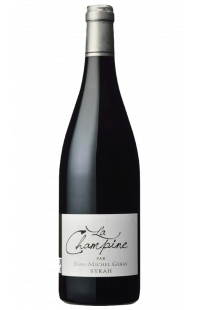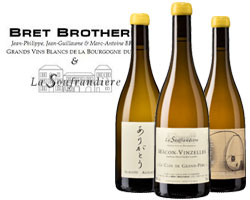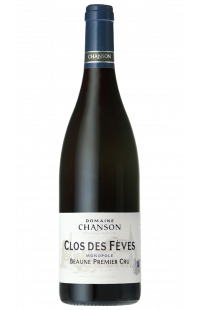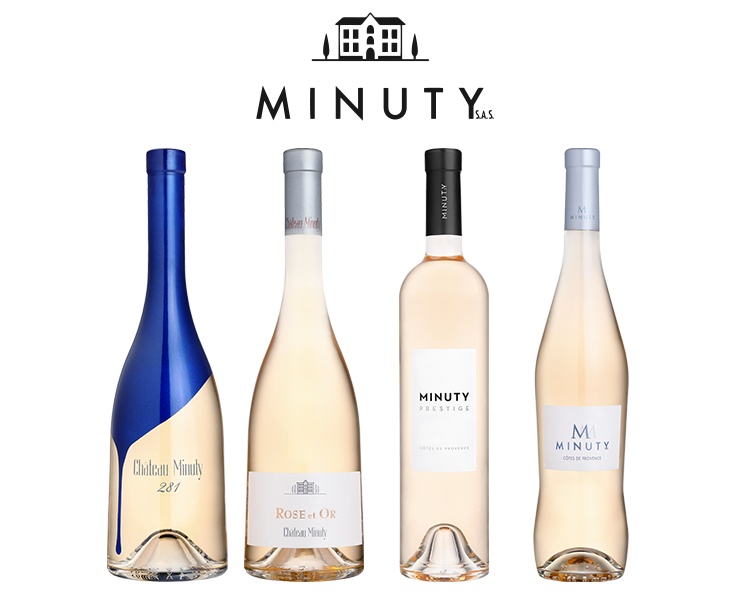

No products available yet
Stay tuned! More products will be shown here as they are added.
|
|
|
|
Stay tuned! More products will be shown here as they are added.
Delve into the world of AOC Coteaux-du-Languedoc wines, a remarkable appellation covering Aude, Hérault, and Gard. Learn about its grape varieties, terroirs, and food pairings to understand these treasures of southern France.
AOC Coteaux-du-Languedoc wines are among the finest expressions of French viticultural heritage. Located in the Mediterranean heart of France, this appellation includes a range of terroirs and grape varieties that yield wines of remarkable richness and variety. From robust reds to refreshing whites and delicate rosés, the Coteaux-du-Languedoc captivate with their authentic character and regional identity.
Created in 1985, the AOC Coteaux-du-Languedoc is one of the largest and oldest appellations in the Languedoc-Roussillon region, covering three departments: Aude, Hérault, and Gard. This appellation has forged a unique identity, combining ancestral winemaking traditions with modern innovations.
The AOC production area stretches from Narbonne to Nîmes, passing through the Camargue and the Cévennes. This territory enjoys a Mediterranean climate characterized by hot, dry summers, and is also influenced by the region's varied relief. This geographic diversity creates a variety of terroirs, each bringing its unique nuance to the wines produced.
The Mediterranean climate is moderated by maritime influences and winds like the Tramontane and Mistral. These climatic conditions, combined with diverse soils (limestone, schist, and gravel), create an ideal environment for vine cultivation, enabling optimal grape ripening while preserving freshness and acidity.
The AOC Coteaux-du-Languedoc includes several renowned sub-appellations, each contributing a unique touch to the overall appellation.
The wines of AOC Coteaux-du-Languedoc are made from typically Mediterranean grape varieties that thrive under the region’s sunny climate.
Viticulture in Coteaux-du-Languedoc is deeply rooted in tradition, with environmentally respectful practices. The vines are often trained in the gobelet style, a traditional technique that enhances resistance to strong winds and the arid climate.
While tradition is important, innovation is equally so. Many winemakers in the appellation are now turning to organic or biodynamic farming, aiming to produce high-quality wines while preserving local ecosystems. These practices minimize chemical use and promote biodiversity in the vineyards.
Known for their structure and generosity, Coteaux-du-Languedoc reds boast intense aromas of ripe fruits, spices, and sometimes hints of garrigue. Barrel aging adds complexity, with well-integrated tannins.
These rosés are appreciated for their suppleness and freshness, with fruity notes of strawberry and cherry and occasional floral hints. Ideal as an aperitif or summer meal, they are best enjoyed young to appreciate their liveliness.
Mostly made from Clairette and Grenache Blanc, the white wines offer a delightful freshness, with aromas of white flowers, citrus, and a touch of minerality. Perfect with fish, shellfish, or fresh cheeses.
The limestone soils of the garrigues, combined with maritime influence, lend the wines a typical minerality and freshness. This geological configuration allows the grapes to fully express themselves while maintaining the essential acidity for balance.
Schist soils, notably present in Faugères, impart a unique character, providing tannic structure and complex aromas with smoky or graphite notes.
Gravel soils, made up of rolled pebbles and sediments deposited by rivers, provide excellent drainage, favoring grape concentration. Wines from these terroirs are often richer and more powerful with complex aromas.
Coteaux-du-Languedoc reds are excellent with grilled meats, sauced dishes, and aged cheeses. Their power and tannic structure complement bold and flavorful dishes.
Thanks to their freshness and fruitiness, rosé wines pair well with salads, grilled fish, or tapas. They also pair nicely with spicy dishes, balancing flavors with their crispness.
Coteaux-du-Languedoc whites are ideal with seafood, grilled fish, and Mediterranean vegetable dishes. Their acidity and fresh aromas enhance the delicacy of these dishes.
The Coteaux-du-Languedoc appellation is home to renowned estates and winemakers who contribute to its reputation. Notable producers like Domaine de l'Hortus, Château Puech-Haut, and Mas de Daumas Gassac stand out for their exceptional wine quality and commitment to authentic terroir wines.
Some cuvées from Coteaux-du-Languedoc have become benchmarks, loved by wine enthusiasts worldwide. From the structured reds of Domaine d'Aupilhac to the mineral whites of Clos Marie and the fruity rosés of Château La Roque, these wines showcase the diversity and richness of this appellation.
Like many wine regions, Coteaux-du-Languedoc faces climate change challenges. Rising temperatures and recurrent droughts push winemakers to adapt, focusing on preserving wine freshness and managing water sustainably.
The AOC Coteaux-du-Languedoc enjoys growing international recognition due to its consistent quality and the winemakers' commitment to excellence. Promotional efforts abroad and participation in international fairs strengthen this appellation's image beyond France's borders.
What are the dominant grape varieties in Coteaux-du-Languedoc red wines?
The reds are primarily made from Mediterranean varieties such as Carignan, Grenache Noir, Cinsault, and Syrah.
What distinguishes the Faugères and Saint-Chinian sub-appellations?
Faugères, with its schist soils, produces robust and structured reds, while Saint-Chinian offers diverse soils (schist and limestone) yielding balanced wines with aromatic complexity.
Are Coteaux-du-Languedoc white wines suitable for aging?
Some whites, especially those made from Grenache Blanc and Clairette, can age for several years, developing complex aromas, though most are enjoyed young for their freshness.
What is the best food pairing for a Cote aux-du-Languedoc rosé?
Rosé wines from Coteaux-du-Languedoc pair perfectly with summer dishes like composed salads, grilled fish, or tapas.
Does AOC Coteaux-du-Languedoc produce sweet wines?
Yes, Coteaux-du-Languedoc also produces natural sweet wines, particularly in the Clairette-du-Languedoc sub-appellation, with mellow wines based on Clairette grapes.
How do Coteaux-du-Languedoc winemakers adapt to climate change?
They adopt various strategies, such as planting drought-resistant grape varieties, sustainable viticulture practices, and optimizing water management.
The wines of Coteaux-du-Languedoc represent an invaluable treasure of Mediterranean wine heritage. Thanks to diverse terroirs, grape varieties, and winemaking practices, the AOC offers a wide range of wines that cater to all tastes. Whether you're a fan of powerful reds, refreshing rosés, or delicate whites, you’ll find a Coteaux-du-Languedoc wine that will captivate you. With growing recognition and increasingly sustainable practices, this appellation has a bright future ahead.